Affiliate disclosure: Some recommended tool links may earn Paepae Stack a commission if you buy through them. Recommendations are based on fit, tradeoffs, evidence, and source notes. Read the disclosure.

Short answer

Choose LiveChat if you want to add live chat to a website where real inbound questions, sales conversations, or support requests already happen. Choose HelpCrunch if you need chat, shared inbox, knowledge base, chatbot, popup, and email messaging features to operate as one customer communication workspace. Choose neither if the website does not yet have meaningful inbound traffic or customer questions.

Decision workflow

Use this comparison only after the stack path is clear

Winner by use case

LiveChat

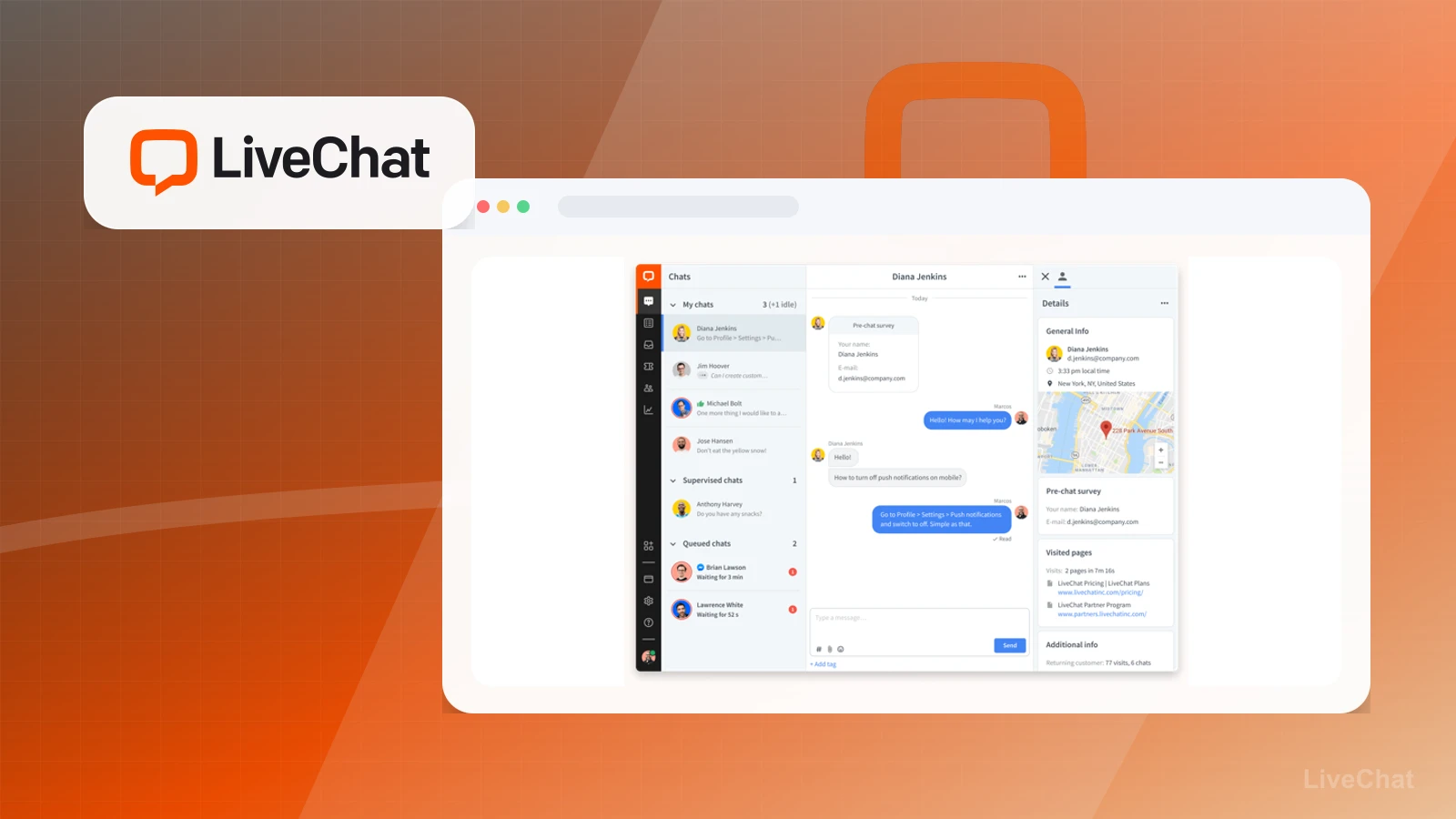
Add live chat to a site

Text / LiveChat is the more direct candidate when the job is a live website support or sales chat layer.

HelpCrunch

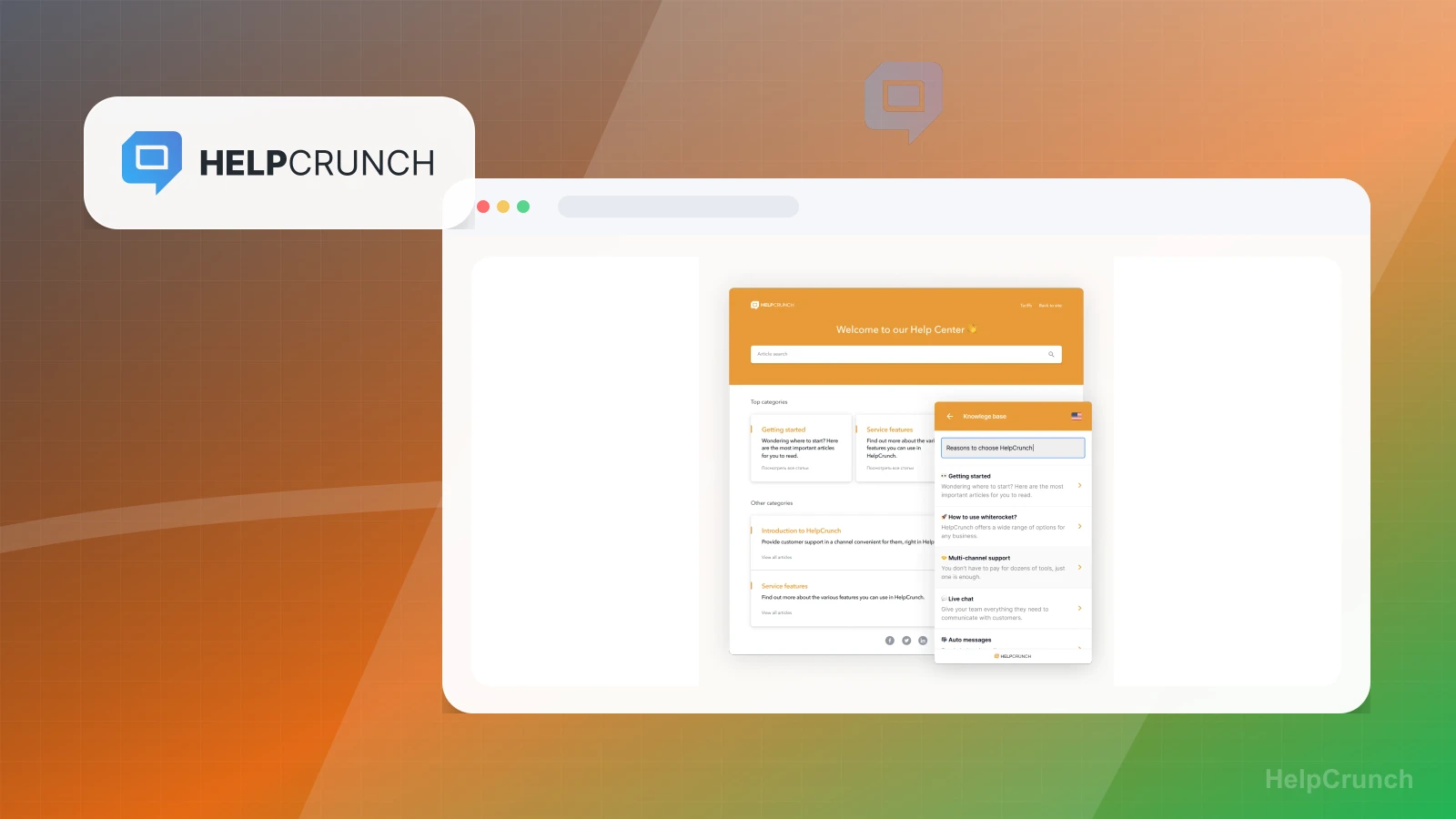
Support plus self-service

HelpCrunch is the better candidate when inbox, knowledge base, chatbot, and messaging workflows all matter.

Neither

Pre-launch site with no inbound volume

Neither support platform should come before meaningful traffic or customer conversations.

Side-by-side

Primary audience

Text / LiveChat: Service sites and businesses adding live chat

HelpCrunch: Small businesses and product-led teams that need broader customer communication

Primary job

Text / LiveChat: Live chat, chat workflows, and support conversations on the website

HelpCrunch: Live chat, shared inbox, knowledge base, chatbots, popups, and email messaging

Complexity

Text / LiveChat: Lower when live chat is the main support layer

HelpCrunch: Higher, with more support and messaging surfaces to maintain

First purchase signal

Text / LiveChat: When inbound website conversations justify a chat layer

HelpCrunch: When support, self-service, and messaging already need one connected workspace

Stack fit

Text / LiveChat: Website support and higher-touch sales pages

HelpCrunch: Support operations, knowledge base, and customer messaging workflows

Choose LiveChat if

  • You want to add live chat to a website where real inbound questions, sales conversations, or support requests already happen.
  • Your first support job is answering website visitors quickly, not building a broader self-service and messaging system.
  • You prefer to keep the support layer focused until chat volume proves the need for deeper operations.
Visit LiveChat

Choose HelpCrunch if

  • You need chat, shared inbox, knowledge base, chatbot, popup, and email messaging features to operate as one customer communication workspace.
  • Support questions repeat often enough that self-service and customer-message history are becoming operationally useful.
  • You are ready to maintain more support surfaces because customer communication is no longer just occasional website chat.
Visit HelpCrunch

Before choosing

Choose neither if

Migration and lock-in concerns

Plan and pricing caveats

Evidence notes

Source links

Cautions

Related stacks

Questions this page answers

Should I choose LiveChat or HelpCrunch?
Choose Text / LiveChat when the first support layer is live website chat. Choose HelpCrunch when chat, shared inbox, self-service, and customer messaging need to work together.
What should I check before choosing?
Check current plan limits, migration concerns, the real workflow you need this quarter, and whether a simpler category-specific tool would solve the job with less operating cost.
When should I choose neither?
The website does not yet have meaningful inbound traffic or customer questions. A simple contact form, booking page, or email address is enough for the current support volume. The real bottleneck is lead capture, scheduling, or CRM follow-up rather than support conversations.

Next best action

Choose the next step

Use the product links only after the use-case winner and caveats match the workflow.

Visit LiveChat: Choose LiveChat if its use-case notes match the buying job better.

Visit HelpCrunch: Choose HelpCrunch if its tradeoffs fit the workflow more clearly.

Use Stack Builder: Use the guided stack path when neither side is an obvious fit yet.