Affiliate disclosure: Some recommended tool links may earn Paepae Stack a commission if you buy through them. Recommendations are based on fit, tradeoffs, evidence, and source notes. Read the disclosure.
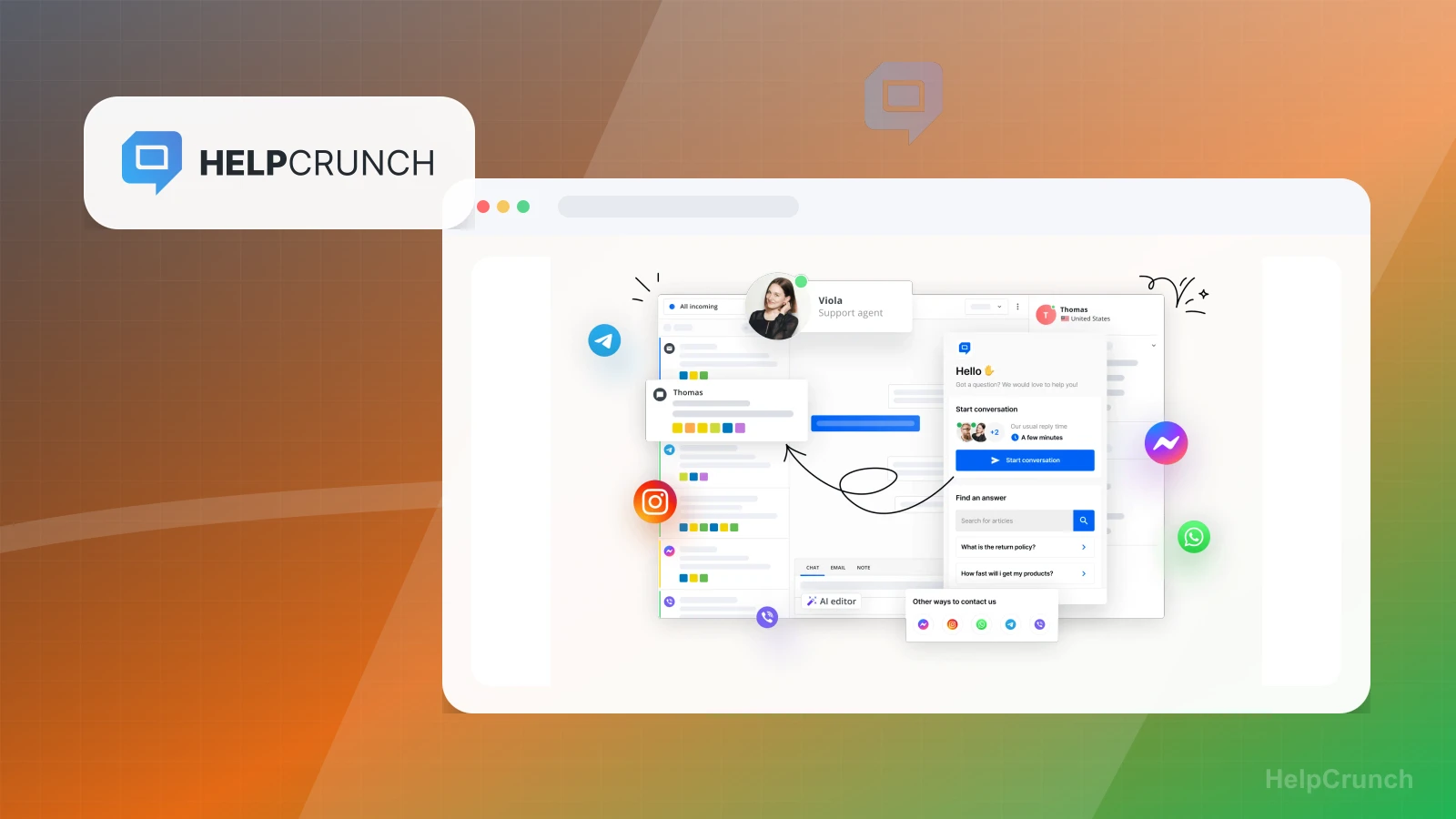
HelpCrunch product media preview

Plain verdict

Should you use HelpCrunch?

Good fit for small businesses that want support, self-service, and customer messaging in one connected workspace.

Use this if

  • Support plus self-service
  • Small business support teams
  • SaaS or product-led sites

Avoid for now if

  • Pre-launch creators
  • Newsletter-only businesses
  • Teams that only need a simple contact form

Evidence status

Documentation-based

Last verified: 2026-05-05

Outbound status

Approved affiliate link

Affiliate links are disclosed before product clicks. Review the methodology.

Decision flow

Place HelpCrunch in the stack decision

Use this path before treating HelpCrunch as the answer. The product should fit the workflow role, comparison fork, and upgrade timing before an outbound click.

Short answer

HelpCrunch fits when support plus self-service need the stack role it is built for. It is not the right first path if your workflow matches pre-launch creators, so compare the cautions and alternatives before treating it as the first purchase.

Quick take

A customer communication platform with live chat, shared inbox, chatbots, knowledge base, popups, and email messaging.

Paepae Stack positions HelpCrunch as customer support hub, support self-service guides, and small-business support stack comparisons. The fit depends on the workflow, not only the feature list.

Not ideal for

  • Pre-launch creators
  • Newsletter-only businesses
  • Teams that only need a simple contact form

Strengths

  • Live chat, inbox, and knowledge base in one workspace
  • Support and customer messaging coverage
  • Useful self-service path for repeat questions

Cautions

  • Usually better after inbound questions become repeatable
  • Messaging, popup, and chatbot setup needs ownership to avoid clutter

Pricing snapshot

Customer communication plans that vary by support seats, messaging channels, automation, and self-service needs.

Start by checking live chat, shared inbox, knowledge base, chatbot, email, popup, and team-seat requirements.

Plan caveats

  • Support and messaging tools can create more work if no one owns response coverage and knowledge-base maintenance.
  • Check current seat, automation, and messaging limits before treating it as a full support workspace.

Pricing sources

Implementation notes

  • Start by deciding the job HelpCrunch must do in the stack, then compare it against the nearest alternatives.
  • Assign response ownership before adding live chat or support channels to high-traffic pages.

When to upgrade

  • Upgrade toward HelpCrunch when the workflow it supports is already visible in the business.
  • Delay the purchase if the tool would create more setup work than customer-facing value this month.

Questions this page answers

Who is HelpCrunch a good fit for?
HelpCrunch is a good fit for support plus self-service, small business support teams, saas or product-led sites when that workflow is already the next practical job in the business.
Who should skip HelpCrunch?
Skip or delay HelpCrunch if you identify with pre-launch creators or if the tool would add setup work before creating customer-facing value.

Next best action

Decide whether HelpCrunch fits

The source and fit notes are inside the normal quarterly review window.

Visit HelpCrunch: Open the approved outbound path after checking the fit notes and plan caveats.

Compare HelpCrunch: Use the closest comparison when the product still feels close to another option.

Use Stack Builder: Use the guided path if the right category or stack is still unclear.

Guides

Read before choosing HelpCrunch

Next steps

Compare or continue