Quick take
A client-management platform for forms, proposals, contracts, invoices, schedulers, workflows, and service-business operations.
This is an example to explore while Paepae Stack reviews the workflow. Treat it as documentation-based fit guidance, not as proof of output quality, ad performance, support, billing, or long-term reliability.
Paepae Stack positions Dubsado as service operations notes, crm-light service workflow comparisons, and future proposal-plus-booking stack paths. The fit depends on the workflow, not only the feature list.
The recommendation includes workflow documentation and visible limitation notes, so the page separates what was seen in the workflow from claims that still require stronger proof.
Not ideal for
- Simple solo booking flows with no client-ops depth
- Newsletter-only or product-only businesses
- Teams buying operational software before the service process is repeatable
Strengths
- Clear fit for service-business intake and workflow ownership
- Relevant when booking, forms, proposals, and invoices need to connect
- Useful middle ground between simple scheduling and agency-style CRM depth
Cautions
- Keep claims under review until owned workflow evidence exists
- Verify scheduler, forms, contracts, invoices, automations, portals, and team-handling behavior before recommending broadly
- Do not imply smoother onboarding, faster payment, or operational reliability without measured evidence
What is still under review
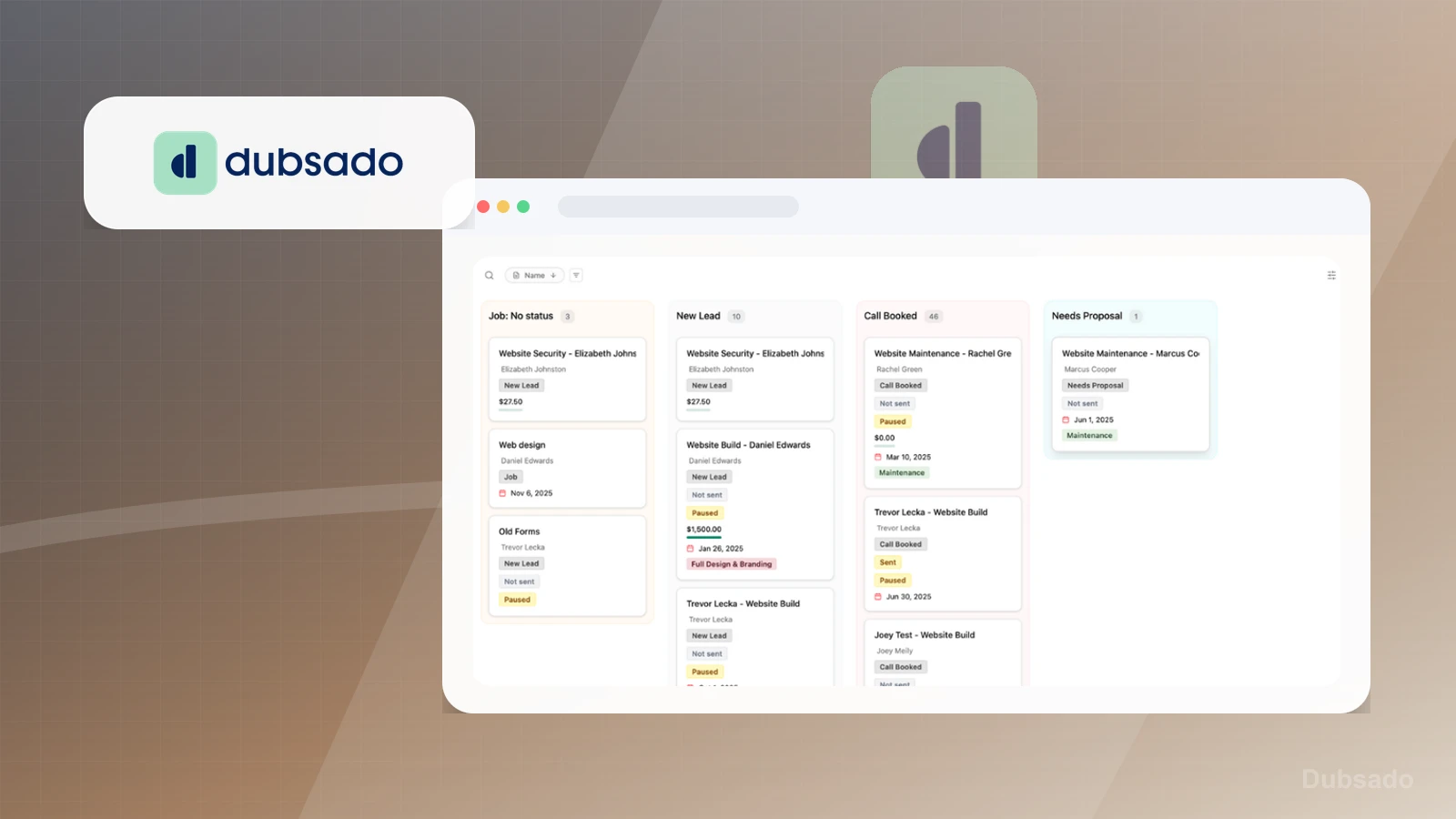
This page is useful for workflow-fit research, but it is not a hands-on proof page yet. The captured interface documents visible controls, while completed owned setup evidence is still needed before making stronger claims.
- Build a representative intake or client workflow and record what data moves where.
- Capture notification, payment or signature, file upload, routing, spam handling, and export behavior where relevant.
- Verify plan limits, ownership, migration, and failure paths before claiming operational reliability.
Pricing snapshot
Service-business plans centered on client management, forms, contracts, workflows, scheduling, invoices, and operational depth.
Start by checking forms, proposals, contracts, invoices, schedulers, automations, portals, and team-workflow requirements.
Plan caveats
- A service-ops platform can be more system than a simple solo booking offer needs.
- Check current scheduler, forms, contract, invoice, workflow, and team limits before positioning it as the right operational layer.
Pricing sources
Implementation notes
- Start by deciding the job Dubsado must do in the stack, then compare it against the nearest alternatives.
- Write down the trigger, fields, and expected result before building an automation around it.
When to upgrade
- Upgrade toward Dubsado when the workflow it supports is already visible in the business.
- Delay the purchase if the tool would create more setup work than customer-facing value this month.