Quick take
A direct-selling platform for digital downloads, ebooks, templates, memberships, courses, coaching, and simple storefronts.
This is an example to explore while Paepae Stack reviews the workflow. Treat it as documentation-based fit guidance, not as proof of output quality, ad performance, support, billing, or long-term reliability.
Paepae Stack positions Payhip as digital product selling paths, beginner creator stack decisions, and direct checkout workflow notes. The fit depends on the workflow, not only the feature list.
The recommendation includes workflow documentation and visible limitation notes, so the page separates what was seen in the workflow from claims that still require stronger proof.
Not ideal for
- WordPress-first sellers who want checkout inside their own site
- Course businesses that need a dedicated learning environment
- Teams that need deep CRM, funnel testing, or client pipeline operations
Strengths
- Clear direct-selling role for downloads, ebooks, templates, memberships, and small offers
- Useful lower-complexity alternative to a full funnel or ecommerce stack
- Fits beginner creator and newsletter-led product paths after the offer is clear
Cautions
- Keep claims under review until owned checkout, delivery, tax, and customer-record evidence exists
- Verify payment, file delivery, EU/UK VAT handling, store builder, coupon, membership, and export behavior before broad recommendation
- Do not imply checkout conversion, payment reliability, tax correctness, or product revenue without measured evidence
What is still under review
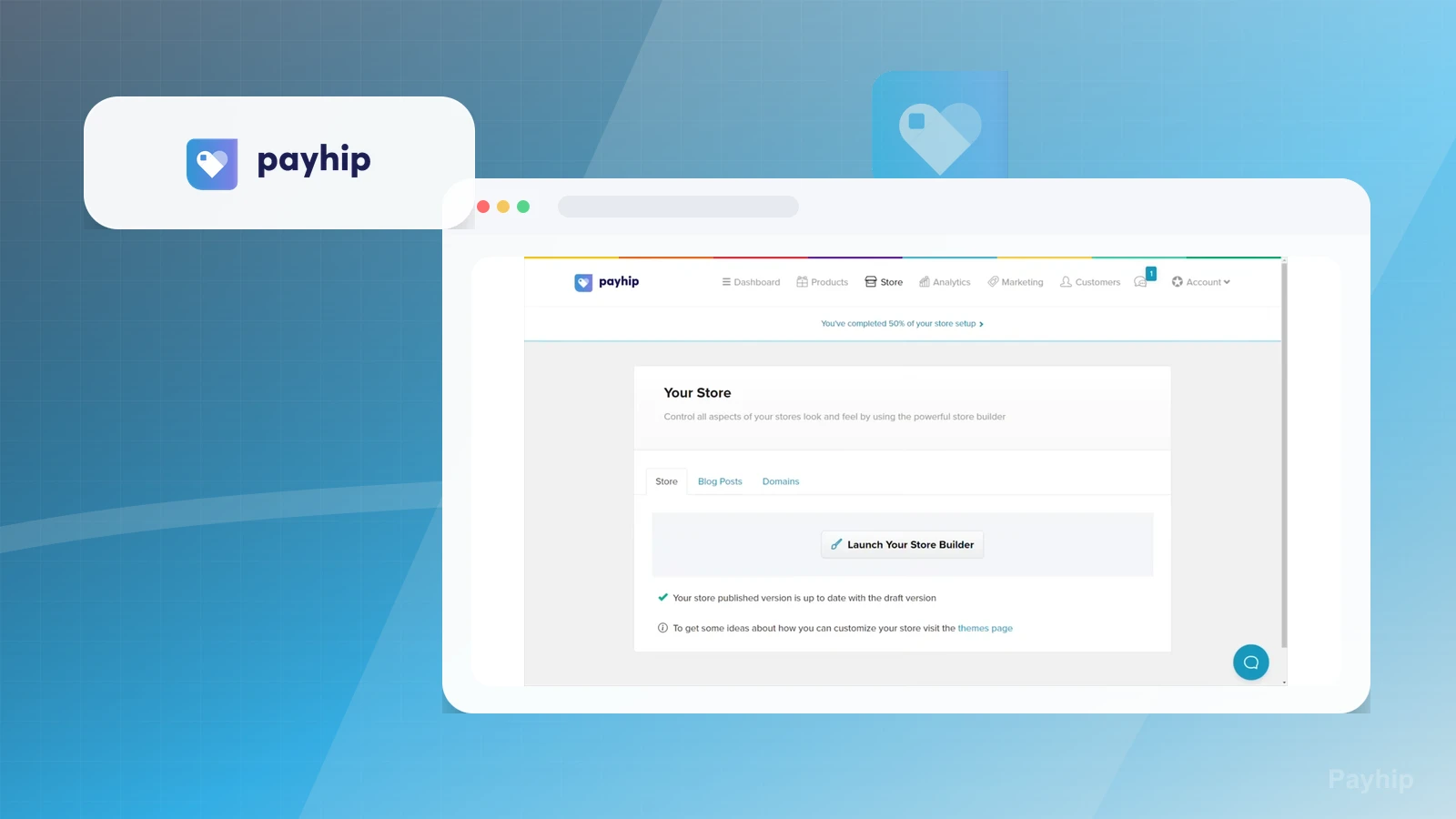
This page is useful for workflow-fit research, but it is not a hands-on proof page yet. The captured interface documents visible controls, while completed owned setup evidence is still needed before making stronger claims.
- Build one representative product, checkout, delivery, and customer-record path with owned screenshots or notes.
- Capture payment, tax, file delivery, subscription or membership, refund or cancellation, export, and cleanup behavior where relevant.
- Verify plan limits, plugin or hosted-platform ownership, migration risk, and support boundaries before making reliability, conversion, or revenue claims.
Pricing snapshot
Direct-selling plans with a free entry path and paid plans that mainly change transaction-fee economics rather than gating core selling features.
Start by checking product type, payment gateway, transaction fees, file delivery, VAT or tax handling, storefront needs, memberships, courses, coupons, and customer export requirements.
Plan caveats
- A free or low-monthly-cost checkout path can become more expensive as sales volume grows if transaction fees are not modeled.
- Direct-selling fit should be checked against product delivery, tax handling, customer records, email follow-up, and migration needs before moving real buyers.
Pricing sources
Implementation notes
- Start by deciding the job Payhip must do in the stack, then compare it against the nearest alternatives.
- Map the course structure, student access, and onboarding emails before choosing plan features.
- Keep the first launch path simple, but document which parts of the workflow would be hard to migrate later.
When to upgrade
- Upgrade toward Payhip when the workflow it supports is already visible in the business.
- Delay the purchase if the tool would create more setup work than customer-facing value this month.